On the Branch of a Tree, Not at the Top of a Ladder

Every so often, it’s good to see something clearly illustrating that it’s not all about us, that evolution doesn’t simply progress its way up a ladder, climbing ever higher until it reaches humans on the top rung.

Genetic comparisons offer one such clear illustration.

For example, now that we’ve fully sequenced the human and chimpanzee genomes, we can take a close look at the different paths our genes have travelled during the six or seven million years since we parted ways from a common ancestor. In that time, humans and chimpanzees have plainly diverged quite a bit — on the one hand, humans have learned to walk on two legs, experienced dramatic growth in brain size, and now excel at speech, language and a whole host of cognitive functions; on the other hand, although chimpanzees are clearly intelligent primates, they still retain many of the physical and behavioral characteristics that they had millions of years ago.

Obviously, then, our genes have undergone the greater process of Darwinian natural selection … right?

Wrong.

The Human-Chimpanzee Genome Comparison

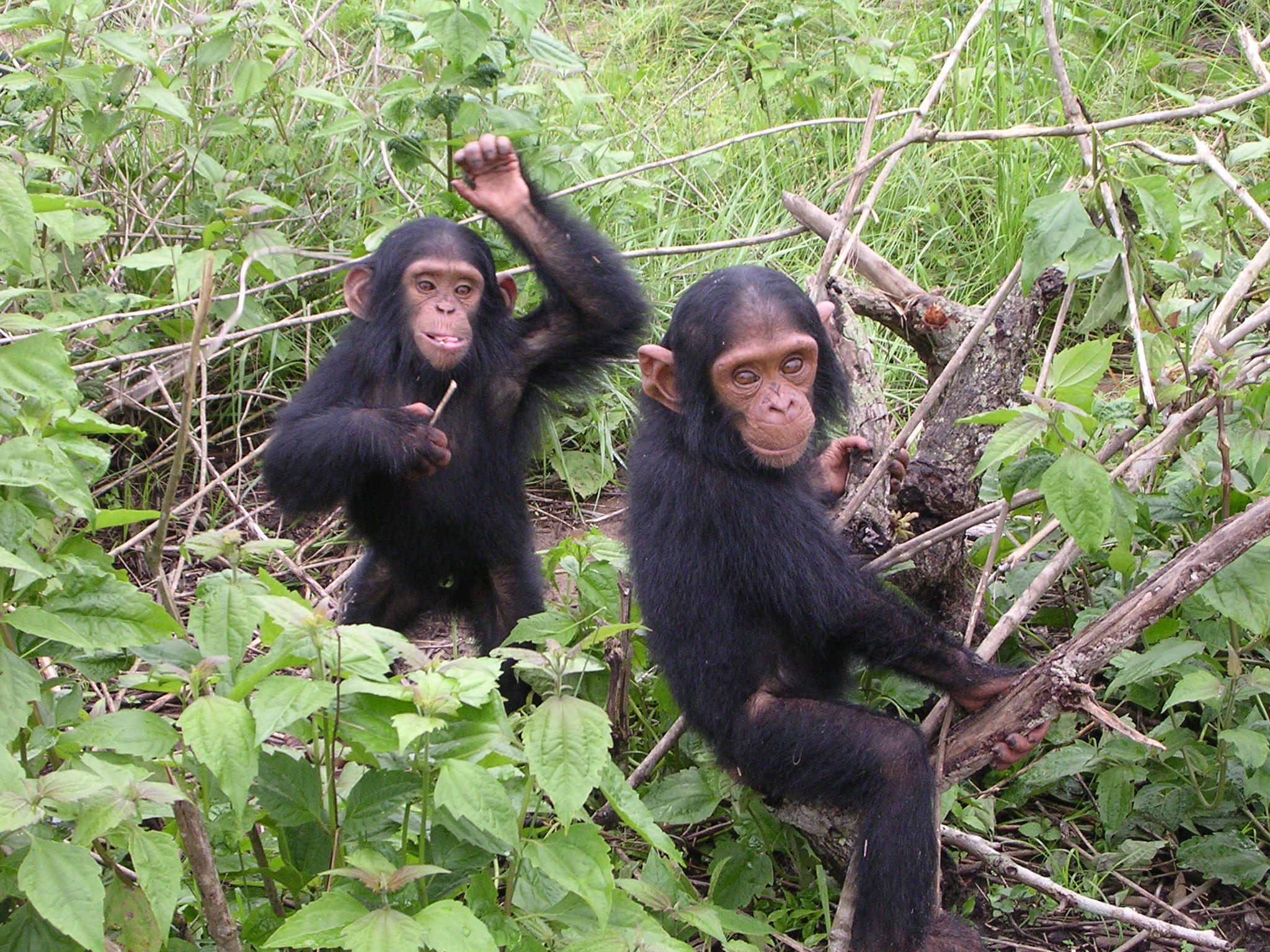
Do you think those humans are ever going to evolve like us? (photo credit: Delphine Bruyere)

A team of researchers led by Margaret Bakewell and Jianzhi Zhang of the University of Michigan1 decided to systematically compare the human and chimpanzee genomes to find out which species’ lineage has undergone more positive Darwinian selection over time. In essence, they lined up the two genomes to identify where they differed, and then used the DNA of the rhesus macaque, which shares an older ancestor with each of us, to figure out whether differences were due to changes in the human or in the chimpanzee DNA.

Moreover, since some DNA changes have no impact on protein production, the team was able to use statistical methods to look at the changes that do impact protein production and identify which of these were positive in the sense that they conferred a survival or reproductive advantage. (Without getting into the mathematical details, genes where a disproportionate number of the DNA changes do impact protein production are the ones where positive selection is taking place.)

In all, the researchers scanned nearly 14,000 genes (greater than 50% of the genes in the primate genome), and carefully controlled for relatively quality differences in the available genomic sequences. Using their most conservative data, they identified 154 genes that were under positive selection in the human lineage and 233 in the chimpanzee lineage. In other words, chimpanzees have 51% more positively-selected genes than humans have.

The research team summed up these findings:

[I]n sharp contrast to common belief, there were more adaptive genetic changes during chimp evolution than during human evolution. Without doubt, we tend to notice and study human-specific phenotypes more than chimp-specific phenotypes, which may have resulted in the prevailing anthropocentric view on human origins.

Interestingly, the types of genes undergoing positive change are not particularly correlated to the areas where we have seen the greatest physical divergence, such as brain size. Rather, as the below charts indicate, the areas of positive selection are widely distributed through biological processes, molecular functions and tissue groups (in the charts, PSG stands for “positively selected gene”) :

What Explains the Greater Positive Selection in Chimps?

The researchers believe that the principal explanation for the findings is that, for most of the time that humans and chimpanzees have evolved separately, the average population size of chimps was 3-5 times as large as that of humans. This is significant, as population genetic theories predict that positive selection is less effective in smaller populations (i.e., in a small group there are simply fewer opportunities for the occurrence of beneficial mutations with survival and/or reproductive advantages).

Now, there are a few caveats to this story. For one, this type of comparison does not necessarily capture recent or ongoing changes that are not yet “fixed” in the genome, so recent positive changes to the human genome may have gone undetected. Also, while this analysis adds up the relative number of genes undergoing positive change, it does not take into account the fact that some changes may be more important than others, as a change to a single gene can sometimes have a dramatic impact. Also, the study focuses on changes to genes that impact the proteins that they produce, but not the way in which those genes are expressed (e.g., whether and when the genes are turned on or off), and gene expression can account for very significant differences between species.

Nevertheless, even with these caveats, this study is an eye-opener.

From a human perspective, we naturally see our distinguishing characteristics as critically important, and often assume that they reflect something special from an evolutionary standpoint. When we look closely, though, we sometimes find that our views are far more subjective than objective. From a broader perspective, we have been just a single species with (for most of our history) a relatively small population, and have accordingly undergone a correspondingly slower rate of natural selection.

Makes one wonder whether the chimps, with all of those positive genetic changes, could have evolved a way for handling debt ceilings and political consensus. Now that would be an adaptation that would come in handy these days!

_____

1Bakewell, M., Shi, P., & Zhang, J. (2007). More genes underwent positive selection in chimpanzee evolution than in human evolution Proceedings of the National Academy of Sciences, 104 (18), 7489-7494 DOI: 10.1073/pnas.0701705104

Asian Elephant Social Networkers

In a terrific new study in this month’s BMC Ecology1, a team of researchers led by Shermin de Silva of the University of Pennsylvania Biology Department has published the results of extensive, multi-year research regarding the social dynamics of a population of Asian elephants (Elephas maximus) at Uda Walawe National Park in Sri Lanka. The researchers studied 286 adult female elephants from September 2006 to December 2008, observing the social relationships they formed on a one-to-one basis, in small groups, and at the overall population level.

While group social behavior in African savannah elephants (Loxodonta africana) has been studied extensively, this new research is the first detailed, quantitative study of a wild Asian elephant population over such a lengthy time period … and what the researchers found was quite surprising.

You spend all your time social networking! First do your homework, then you can go on Facebook (photo credit: HelpElephants.com)

Prior less comprehensive studies had suggested that Asian elephants form less complex social networks than do African savannah elephants, with Asian elephants forming smaller and looser social groups based primarily on mother/daughter bonds, and rarely if ever involving relationships between unrelated females. In this in-depth longitudinal study, though, a different, more nuanced, portrait of Asian elephant society emerged.

Although, on any given day, the researchers would see only small groups of elephants that didn’t appear to interact extensively, over time, individual elephants formed larger social units that could be remarkably stable across years, even while associations among such units varied quite a bit across seasons.

One-to-One Relationships (Dyads)

The researchers started out by measuring how much time pairs of adult females spent together and found that, at a high level, the frequency of their associations was highly correlated across all five seasons in the National Park (Sri Lanka has a highly seasonal environment, with two separate monsoon seasons, two dry seasons, and a transitional season) – that is, pairs who associated in one season tended to associate in all seasons, and those who did not associate in a given season weren’t likely to associate at all.

Yeah, let's just hang and make nice for now, then we'll hit the rice paddies when nobody's looking! (photo credit: EleAid.com)

In studying one-to-one relationships, the researchers turned their attention to 51 “core” elephants who they thought would provide particularly good data, since these elephants were observed frequently and during all seasons of the year. These elephants formed a total of 478 pair relationships, which the researchers divided out statistically as follows:

  • A total of six (1.3%) of the pairings were “strong” and stable relationships, as measured by the relative percentage of time these pairs spent together during all seasons. Nine of the elephants (17.6%) participated in relationships in this category.
  • A total of 433 (90.6%) of the pairings were “temporary,” with the association peaking during a single season (most of the peaks were in either the transitional or dry seasons). All 51 of the elephants had at least one relationship that fell into this category.
  • A total of 39 (8.2%) of the pairings were “cyclical,” with the associations peaking in frequency during the two dry seasons (interesting, the researchers did not find relationships where the peaks were during the two wet seasons). Thirty two (62.7%) of the elephants had relationships that were cyclical.

Next, the researchers analyzed whether the identities of an elephants’ preferred companions changed over time. Overall, they found that the elephants spent slightly more than 20% of their time with their long-term companions (the top five companions over five seasons) and slightly more than 30% of their short-term companions (the top five for the current season). On an individual level, there was quite a bit of variation: eight (15.7%) of the elephants maintained 4 to 5 of their top five companions for all five seasons, while 16 (31.4%) completely changed their top-five companions during the study.

The researchers cite the example of two elephants, Kamala and Kanthi, who spent nearly all their time together – they were part of the “K” unit (Kamala, Kanthi, Karin, Kavitha and Kalyani, but no Kardashians) that was particularly close – and contrasted this kloseness to an individual named “471” that had few stable companions. (I wonder if this was due to distress over only receiving a number for a name.)

Additionally, the researchers noticed that the elephants who had the most relationships tended to form weaker bonds with each individual partner, whereas those with relatively few pairings tended to spend a relatively large amount of time with each of their companions.

Hmm, these elephants are beginning to sound quite a bit like people…

Small Group Associations (Ego Networks)

At the next level up, the researchers studied so-called “ego networks,” social networks consisting of an elephant and all of the other individual elephants with whom she associated at least once. The researchers focused on 88 of the adult females who they observed in every season, and calculated five measurements for each: (1) the number of her direct companions, (2) the number of ties between the direct companions, (3) the total number of potential ties between each of these direct companions, (4) the ratio of actual to potential ties, and (5) the number of individuals within two degrees of separation of the subject (number of friends plus number of “friends of friends”).

(Note that, assuming at least one of the researchers is within five degrees of separation of Kevin Bacon, this would mean that the entire ego network would be within seven degrees of separation of Kevin Bacon.)

Without getting into the full statistical analysis, the researchers’ principal conclusion was that:

[W]hile a subject’s direct companions do change over time, she has a few that are almost always present; even those that are not present continuously may have been companions in previous seasons. Thus, individuals maintain long-term relationships with others even though they may be apart for one or several seasons and [the amount of time spent together is small].

In other words, the elephants remember their friends and reestablish their relationships even after having been apart for long periods.

Population Level

Finally, the researchers looked at the social structure of the entire population. They found that the elephants in the overall popular had an extensive and well-connected social network, and that the distinct social units within the population were two to three times larger than had previously been seen in the field. Moreover, they observed that many of the social units maintained their integrity across seasons, even as individuals switched units and the connections between the units changed.

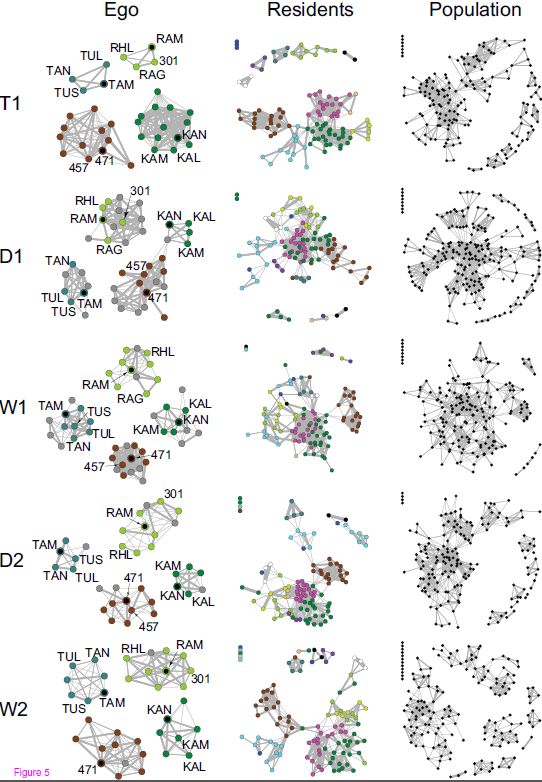
For those of you who like to look at dot patterns, below is a colorful series of diagrams depicting the connections between elephants, measured at different societal levels and during different seasons (T1 is the transitional season, D1 and D2 are the dry seasons, and W1 and W2 are, you guessed it, the wet seasons):

Figure 5 from Research Paper

Recap

While the strength of the associations among these Asian elephants (as measured by percentage of time that individuals spent together) is generally a good bit lower than that of the associations among African savannah elephants, most of these elephants had a few strong ties as well as consistent ties that they maintained over several seasons. Further, the Asian elephants were hardly asocial – while their mix of companions did fluctuate over time, they often returned to a subset of preferred companions.

Moreover, through their years of observation and statistical analysis of the elephants at the population level, the researchers found that the elephants’ social units were much larger than had been observed in prior studies, and that these social units were more stable across the years than were the companions of individual elephants.

The researchers speculated that one reason for the surprising findings is that the elephants stay in touch in ways that are hard for humans to detect, allowing the elephants to maintain bonds and relationships that we fail to observe. For example, elephants can communicate acoustically over great distances, and often use scent to follow one another’s paths at night (and, for that matter, even when the other elephants would be in plain sight, at least from the human perspective).

Finally, the researchers are planning to perform a detailed genetic study of the population in order to analyze the degree to which relatedness impacts the social organization of Asian elephant society. We’ll be waiting!

_____

1de Silva, S., Ranjeewa, A., & Kryazhimskiy, S. (2011). The dynamics of social networks among female Asian elephants BMC Ecology, 11 (1) DOI: 10.1186/1472-6785-11-17.

Sheep: Barnyard Brainiacs

It turns out that sheep are far more intelligent than their reputation for barnyard slowness would lead one to believe. In recent research published in PLoS ONE1, Professor Jenny Morton of the Department of Pharmacology at the University of Cambridge and her colleague Laura Avanzo reported that domestic sheep can perform extremely well on tests of designed to measure cognitive abilities, possibly as well as any animal other than primates.

Professor Morton, who had been studying Huntington’s disease, wanted to find out whether transgenic sheep with a specific genetic defect might be useful in preclinical research regarding potential treatments for this neurodegenerative disease. Because Huntington’s is characterized by cognitive deterioration, Morton was particularly interested in seeing how well sheep would perform cognitively, since suitable research subjects for neurologic disorders like Huntington’s inevitably must undergo systematic cognitive testing relevant to the disease.

Accordingly, Morton and Avanzo devised a series of tests that they gave to seven female Welsh Mountain sheep, six of whom completed the whole study. No word on why all of the ungulate volunteers were female, although my guess is that the males were off rollicking around with male bottlenose dolphins who were avoiding sponge fishing duty.

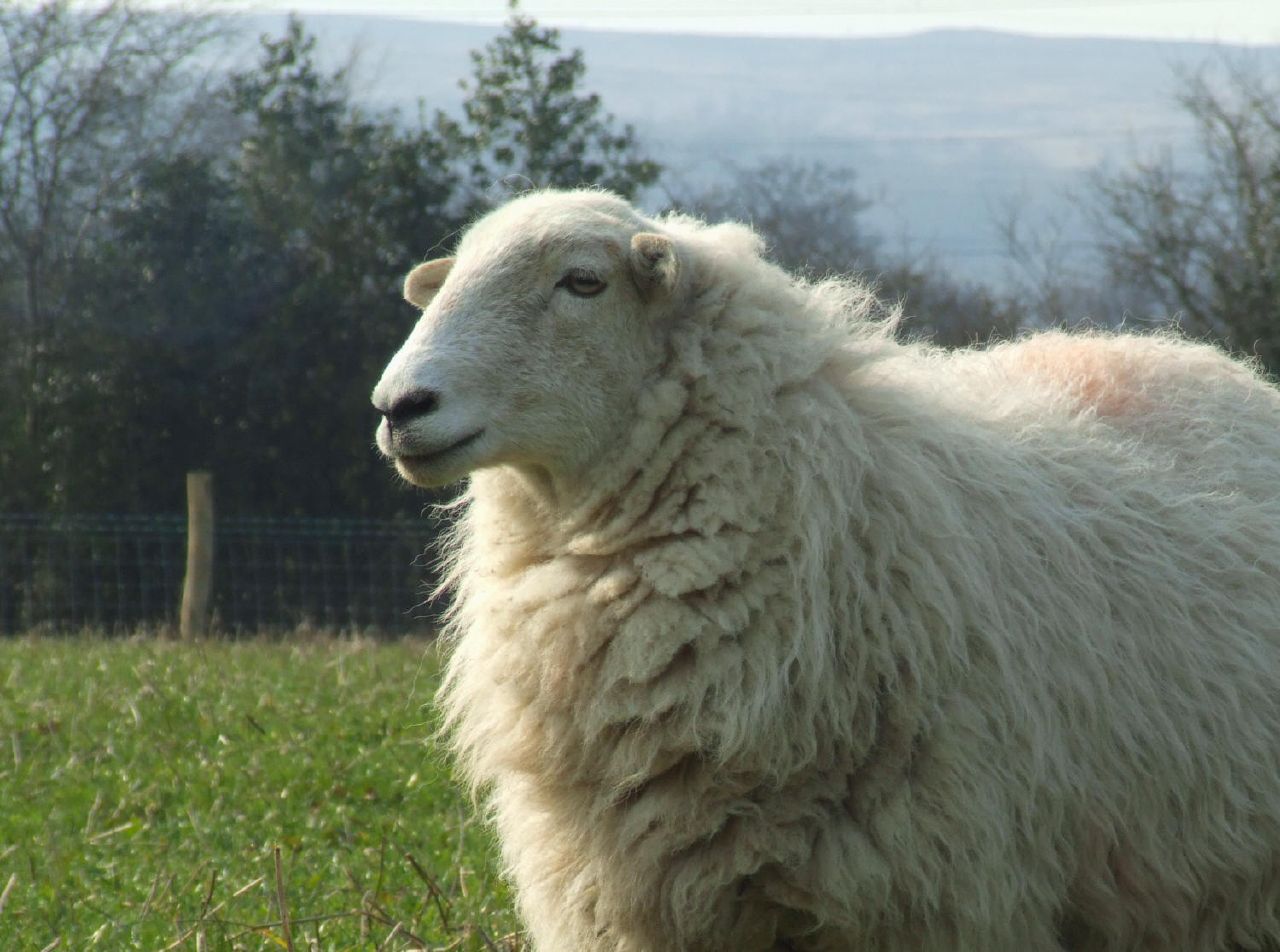
Welsh Mountain ewe: wool-giver and five-time Jeopardy champion (photo credit: Vertigogen)

The Tests

The tests were designed to measure the ability of the sheep to perform in three areas (discrimination learning, reversal learning and “attentional set-shifting”), which are relevant to what the researchers refer to as executive function – that is, the “ability to learn associations between stimuli, actions and outcomes, and to then adapt ongoing behavior to changes in the environment.” While the sheep took a large number of very specific tests, the tests fell into the following general categories:

  1. Simple discrimination tests. Sheep must choose between two feed buckets that are identical except one is blue the other is yellow. One color contains a food reward; the other is empty. Later “retention tests” repeat the original tests after time has passed to see how well the sheep remember.
  2. Simple discrimination reversal tests. Sheep must relearn the correct answer after sneaky researchers reverse the color of the bucket containing the food reward. (Note: we encountered this type of testing in the earlier AnimalWise post about the clever Anole lizards). Again, later “retention tests are given.
  3. Compound discrimination tests. The rewarded color is the same as in 1 above, but the relevantly-colored objects are now “perforated sports cones” rather than buckets. Additional buckets of irrelevant colors (one black, one green) are placed next to the sports cones, with the food reward in whichever bucket happens to be next to the correctly-colored sports cone.
  4. Intradimensional shift tests. Now, the sheep are presented with new shapes (rhomboids and cones) and new colors (purple and green). The sheep must still make a correct choice based on color, but need to learn the new color to apply.
  5. Intradimensional shift reversal tests. Same as 4, but sheep must relearn correct answer after the researchers change the rewarded color.
  6. Extradimensional shift tests. Again, the sheep are presented purple or green cones or rhomboids, but this time they must figure out now that the reward is based on choosing the correct shape, rather than a particular color.
  7. Extradimensional shift reversal test. Same as 6, but sheep must relearn after researchers swap which shape is rewarded.

Of the above tests, 1 & 3 measure “discrimination learning”; 2, 5 & 7 measure “reversal learning”; and 4 & 6 measure “attentional set-shifting.”

The Results

In a nutshell, the sheep did amazingly well.

They very quickly learned to pass the initial simple discrimination test (within seven sets of eight discriminations). When presented with the first reversal test, their performance initially dropped off, but they learned the new correct answer within three days of testing (11 sets of discriminations). For the compound discrimination testing, their performance again dropped slightly at the outset, but within two days they had this new puzzle figured out as well. Moreover, the retention tests showed that the sheep were able to remember the correct answer after time had passed (six weeks in the case of the simple discrimination test; two weeks for the simple reversal test).

At first, the sheep performed no better than chance on the more difficult intradimensional shift test, but they soon were performing at over 90% correct. They also experienced a large drop off in performance on the extradimensional shift test, but improved gradually until they reached 80% correct on the fourth day of testing. The sheep learned also were able to learn the reversals (within eight sets of discriminations for the intradimensional reversal and within 10 sets for the extradimensional reversal).

Morton and Avanzo summarized the results as follows:

We show that not only can normal can sheep perform discrimination reversal learning tasks, but they can also perform attentional set shifting tasks that test executive function. To our knowledge, this is the first time that these executive functions have been demonstrated in any large animal, apart from primates.

They were surprised by this success, conceding that they hadn’t been expecting the sheep to do well on the more difficult tests and indicating that they were “driven more by curiosity than expectation” in even giving the tests to them.

So, given these results, sheep seem to have gotten a bum rap for intelligence. There are relatively few studies on ovine intelligence, although research has shown that they can learn and remember how to navigate complex maze2 and that they are very good at remembering faces3.  And then there’s my favorite, that they’ve learned to roll their way across hoof-proof metal cattle grids in order to raid villagers’ valley gardens4!

One reason for the mistaken impression about sheep cognition may be that we have a bit of a blind spot when it comes to intelligence. We expect it in ourselves and a few other select animals, but even scientists can be quite surprised when it pops up elsewhere. Perhaps the main lesson here is that we should do our best to remain open to finding intelligence in unexpected places – if nothing else, this sort of a mental stretch will be a good test of our own cognitive abilities.

_____

1Morton, A., & Avanzo, L. (2011). Executive Decision-Making in the Domestic Sheep PLoS ONE, 6 (1) DOI: 10.1371/journal.pone.0015752.

2LEE, C., COLEGATE, S., & FISHER, A. (2006). Development of a maze test and its application to assess spatial learning and memory in Merino sheep Applied Animal Behaviour Science, 96 (1-2), 43-51 DOI: 10.1016/j.applanim.2005.06.001.

3Kendrick, K., da Costa, A., Leigh, A., Hinton, M., & Peirce, J. (2007). Sheep don’t forget a face Nature, 447 (7142), 346-346 DOI: 10.1038/nature05882.

4See, e.g., BBC News, “Crafty sheep conquer cattle grids,” July 30, 2004.

Female Dolphins Sponge Their Way to Success

After 27 years, scientists finally appear to have unraveled most of the mystery surrounding a very enterprising group of (primarily) female bottlenose dolphins (tursiops aduncus) who live in Shark Bay, off the coast of Western Australia.
Why are those dolphins looking at me like that? (photo credit: Eric Patterson, Shark Bay Dolphin Project)

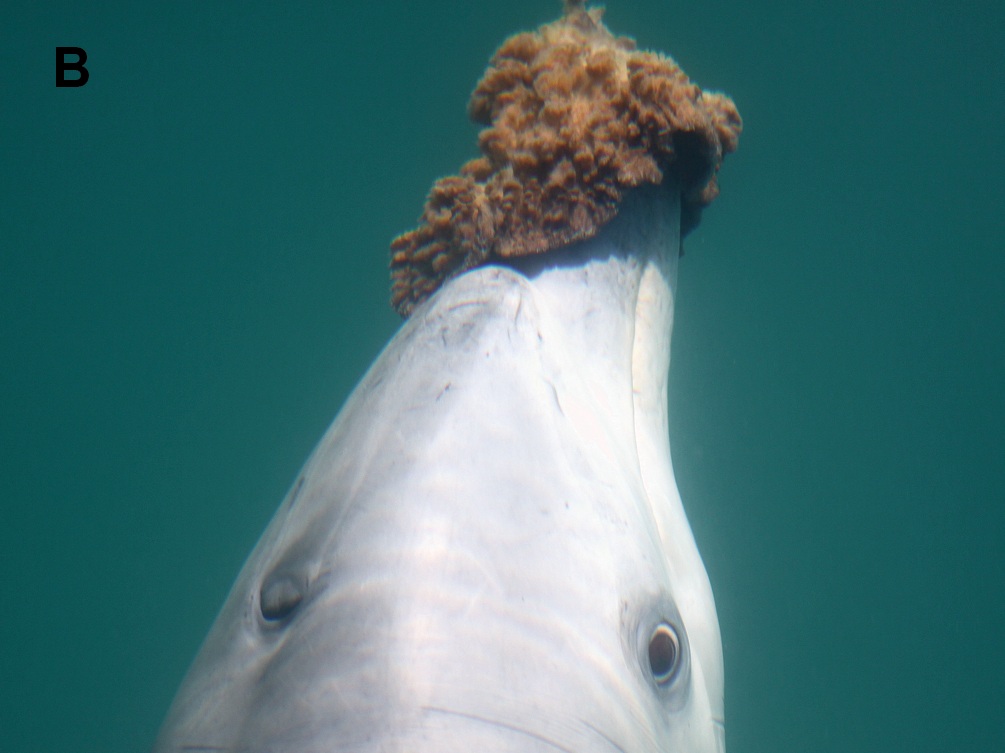
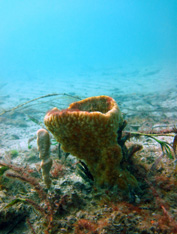
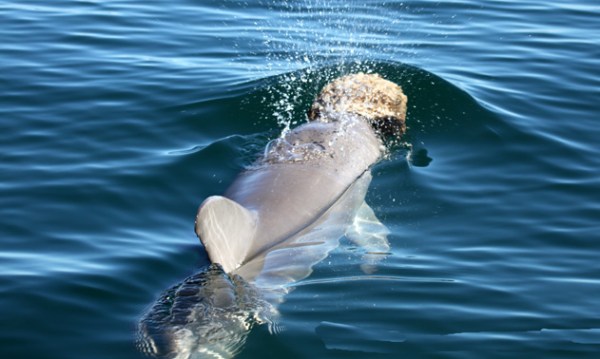
The story opens in 1984, when observers first noticed that some of the Shark Bay dolphins were breaking off conical marine basket sponges and wearing them over their beaks (rostra). Because only a small percentage of the dolphins in the area engaged in this behavior and it was very difficult to see what they were doing with the sponges, especially when they were underwater, the first research on this behavior wasn’t published until over a decade later.

Preliminary Findings: Tool Use by a Few Females

In a 1997 article in Ethology1, a team of researchers led by Janet Mann of Georgetown University described their initial findings: five female dolphins were regularly seen with sponges, and four additional dolphins (only one of which was a male) were each seen carrying sponges on a single occasion. The regular sponge users were relatively solitary, tended to use the sponges in a deep water channel area, and did not participate in the group feeding and social aggregations to which other dolphins in the group were attracted.

The researchers weren’t sure what the dolphins were doing with the sponges, but they assumed that there had to be some sort of functional advantage, since the sponges were often quite large, covering a large portion of the dolphin’s face, interfering with normal use of the mouth, contributing to hydrodynamic drag, and potentially impacting the ability to engage in echolocation. They considered three possibilities: that the dolphins were playing with the sponges, that the sponges contained some medicinal or other useful compound, or that the dolphins were using the sponges as a tool to aid in foraging.

They concluded that it wasn’t likely that the sponges were being used as toys, as the spongers were relatively solitary, used the sponges methodically for hours at a time, year after year, and didn’t engage in typical play postures, splashing or vocalizations as they carried the sponges. Similarly, they determined that medicinal or similar uses were unlikely, since, among other things, the regular sponge users all seemed healthy and there were no indications that they were ingesting the sponges (although the researchers conceded that this could be difficult to observe).
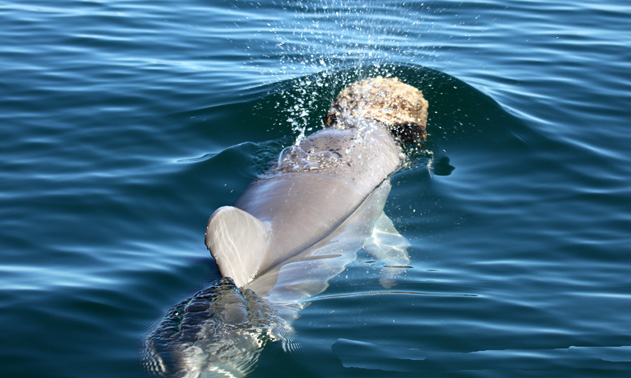
Hi ho, hi ho, it's off to sponge I go! (photo credit: Eric Patterson, Shark Bay Dolphin Project)

On the other hand, it did seem likely that the dolphins were using the sponges to help them forage for prey: they were seen eating fish when engaging in sponging behavior; they invested an amount of time in carrying sponges similar to that invested by other foraging dolphins; and they made sounds and generally behaved in ways consistent with foraging. The researchers speculated that sponges might be used to protect the dolphin’s face, either from spines or stingers of prey animals or from the abrasive sea floor as they flushed out burrowing prey. In either case, they believed that this would constitute “tool use,” something that had been reported in captive dolphins but never before in the wild.

Finally, the researchers drew no conclusions on why males didn’t engage in sponging, except to note that perhaps it required a degree of solitary living that was at odds with their need to form and maintain cohesive and cooperative alliances.

Additional Findings: A Cultural Tradition of Tool Use among a Related Group of Females

Next, in 2005, Mann’s researcher team expanded on its findings in a paper published in the Proceedings of the National Academy of Sciences2, with salient points of the research including the following:

  • Sponges Are Foraging Tools. By this time, the researchers had found 15 adults in the community who regularly used sponges, only one of whom was a male. Although not a focus of the paper, it appears that the researchers had concluded by this time that the dolphins were indeed using the sponges as tools to protect their rostra as they foraged for prey on the sea floor.
  • “Sponging Eve.” The researchers tested the mitochondrial DNA of the regular spongers and found that sponging had been passed on mainly along a single matriline (line of descent from mother to daughter) and that, due to the high degree of genetic relatedness, all spongers likely descended from one recent “Sponging Eve.”
  • Female Social Culture. After considering in detail whether the sponging behavior could have resulted from either a genetic propensity or some unique aspect of the deep-water channels where the most of the sponging occurred, the researchers found the evidence for these alternatives lacking and concluded that by far the best explanation was that the sponge use was being socially learned and transmitted from mother to daughter. The researchers weren’t overly surprised by this finding, given that studies had already shown that dolphins have uncommonly complex cognitive and imitative skills and the ability to excel at vocal and social learning.
  • Uncommon Cultural Diversity. It was particularly rare to see this sort of cultural phenomenon in a small subset of the overall population (a single maternal line comprising only about 10% of the females in the group). In other studies (for example, involving apes), this type of culturally learned behavior is seen across the entire population.
  • Can’t Explain Males. Once again, the researchers surmised that perhaps males didn’t engage in sponging because they had to associate at high levels with alliance partners, but they left this point open.

The Story Continues: Spongers Are Fit

The story continued to unfold in 2008, when Mann and her team published a paper in PLoS ONE3 that focused in more on whether sponging was an advantageous behavior, or whether the spongers were in some fashion subordinate or less competitive and were making the “best of a bad situation.”

I don't know what you mean, it's no more elaborate than the other hats at the Royal Wedding... (photo credit: Eric Patterson, Shark Bay Dolphin Project)

By this point, recurrent sponging had been seen in 41 of the dolphins and a few more of them were male (29 were females, 6 were males, and 6 were of unknown sex). This still represented a small percentage (about 11% of adult females were spongers) and, although it now appeared that more than one matriline was involved, the data continued to show that the behavior was consistently passed down from mother to daughter, and less frequently from mother to son: there were no instances observed where a calf adopted the behavior if its mother wasn’t a sponger, and of 19 offspring born to sponger females who could be observed and whose sex was known, 91% of the daughters (10 of 11) and 25% of the sons (2 of 8) adopted sponging.

Further, the researchers found that the spongers were highly specialized, not using other hunting techniques and spending approximately 96% of their foraging time using sponges. In fact, the researchers concluded that, due to their lifestyle and specialization, spongers actually used tools more than any non-human animal.

So, was the sponging advantageous or a way of coping for not particularly well-adapted dolphins? Well, the researchers did find that spongers were more solitary and spent more time foraging at deeper depths and on longer dives, but noted that they really didn’t seem to suffer from any kind of fitness cost, as their calving success was equivalent to that of other females in the population.

Since there was no evidence that any kind of competition for food was relegating the spongers to their strategy, the research concluded that sponging simply seemed to be an “all-or-none phenomenon,” that required a specialized approach and a commitment to a single foraging type, but that most likely opened up a particular hunting niche in a diverse environment. While other dolphins could theoretically adopt the strategy, the researchers noted that daughters in particular tend to adopt their mothers’ foraging strategy, and unless the mother was a sponger, a daughter might simply not have had sufficient exposure to develop this highly specialized technique while a calf.

Once again, the team hypothesized about the males, stating: “Male offspring are exposed to sponging as often as female offspring, but do not seem to adopt the behaviour early, if at all. … [M]ales likely range more widely post-weaning, focus on establishing long-term alliances, and cannot afford to adopt foraging tactics that both demand extensive effort and specialization and limit their range and access to females.”

The researchers offered no opinions about whether the male dolphins were simply slow on the uptake or whether they associated sponges with housework to be avoided.

The Latest Chapter: Explaining the Purpose of Sponging

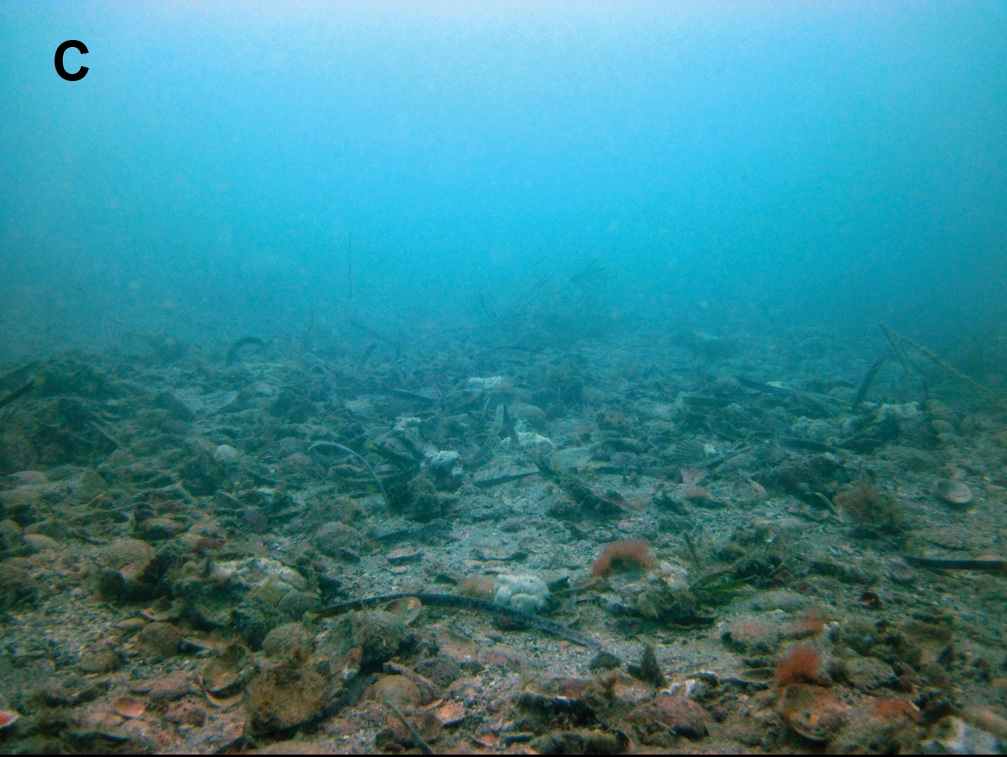
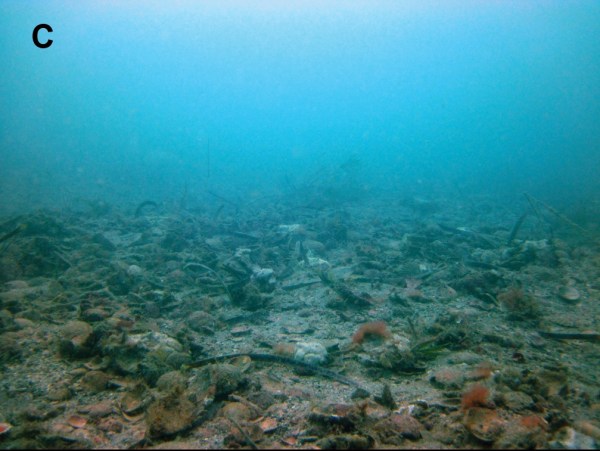
While all of this research had answered many questions and shed light on a fascinating example of tool use in wild female dolphins, one fundamental question remained. Dolphins are great at using echolocation to detect prey (even prey that is buried), so why do the Shark Bay spongers probe the debris-covered sea floor with their noses, risking injury (even with the protection afforded by the sponges) instead of minimizing sea floor contact by simply echolocating for buried prey as they do in other locations (for example, the Bahamas)?
What a mess! This sea floor needs a good sponging! (photo credit: Eric Patterson, Shark Bay Dolphin Project)

This is the question is answered in the latest chapter, a research paper published last week in PLoS ONE4. Mann’s research team had fun with this one, grabbing poles and going sponging themselves. What they found, aside from the fact that dolphins are far more graceful than people, was that the nature of the prey turned up by sponging helps explain the dolphins’ behavior.

It turns out that most of the bottom-dwelling fish that hide in Shark Bay the sea bottom lack swim bladders, gas-filled chambers used by fish to control their buoyancy as they swim up and down. Because they lack the major characteristic that distinguishes their density from sea water, they generate relatively weak acoustic signals and are difficult to detect with echolocation. In addition, the debris (rock, shell and coral) on the sea floor in the area seemed likely to cause “interfering reverberation and echo clutter,” which would further reduce the effectiveness of echolocation.

Moreover, it’s worth it to go after these swim bladderless fish. They are attractive targets, as they are reliably present on the sea floor and exhibit consistent, predictable behavior when rousted out of their hiding places, allowing the dolphins to adopt a single efficient technique as they sponge. Further, bladderless fish tend to have a relatively high fat content, providing hungry dolphins with a particularly energy-rich meal.

So, the sponging female dolphins of Shark Bay really are quite remarkable. They have established a mother-daughter subculture of tool use in the wild, successfully devising a highly specialized way of exploiting an attractive niche in their diverse environment.

You go girl(s)!

_____

1Smolker, R., Richards, A., Connor, R., Mann, J., & Berggren, P. (2010). Sponge Carrying by Dolphins (Delphinidae, Tursiops sp.): A Foraging Specialization Involving Tool Use? Ethology, 103 (6), 454-465 DOI: 10.1111/j.1439-0310.1997.tb00160.x.

2Krutzen, M. (2005). Cultural transmission of tool use in bottlenose dolphins Proceedings of the National Academy of Sciences, 102 (25), 8939-8943 DOI: 10.1073/pnas.0500232102.

3Mann, J., Sargeant, B., Watson-Capps, J., Gibson, Q., Heithaus, M., Connor, R., & Patterson, E. (2008). Why Do Dolphins Carry Sponges? PLoS ONE, 3 (12) DOI: 10.1371/journal.pone.0003868.

4Patterson, E., & Mann, J. (2011). The Ecological Conditions That Favor Tool Use and Innovation in Wild Bottlenose Dolphins (Tursiops sp.) PLoS ONE, 6 (7) DOI: 10.1371/journal.pone.0022243.
Birds Display Their Animal Magnetism

In today’s post, I’d like to talk about something that many animals can do, and that humans simply cannot. I’m not referring to flying, breathing through gills, spinning webs, or running at 70 miles an hour across the African Savanna. I don’t even mean echolocation or pheromone detection or electroreception or polarized light detection, although some of these may be topics for future posts.

No, today I’d like to focus on magnetoreception, or the ability to sense the Earth’s magnetic fields as a means of perceiving one’s direction or location.

Many animals are able to sense magnetic fields, including honeybees, fruit flies, sea turtles, newts, lobsters, salmon, sharks and even bacteria, but some of the more in-depth and interesting research has been centered around migratory birds’ ability to use the Earth’s magnetic fields as a navigational aid as they make their long journeys.

For some reason, I've always felt strangely drawn to the North... (photo from Wikipedia, credit: Thermos)

While there are many aspects of this phenomenon that are still a mystery to us, scientists currently believe that there are two primary biophysical pathways that may explain how birds are able to navigate using the Earth’s geomagnetic fields. These two pathways are currently believed to coexist and complement each other, even though they involve very different processes.1

No, it's simple: just take a left at Norway and then bear right at Finland ... you can't miss it. (photo from Wikipedia, credit: Ernst Vikne)

The first pathway involves the use of iron-based receptors (crystals of a mineral known as magnetite) in the upper beak that can receive and transmit signals of a magnetic field directly to the bird’s brain via a specific nerve (the trigeminal nerve); the second pathway involves the activation of proteins called cryptochromes in the bird’s retina that, after being exposed to blue light, are sensitive to magnetic fields, enabling retinal cells to convert magnetic signals into visual ones and to transmit these signals to a specific sensory processing region (known as Cluster N) within the area of the bird’s forebrain responsible for vision.2

This second pathway may actually enable the bird to create images based on the magnetism fields – in other words, to actually see the Earth’s magnetism and use it as a navigational aid during migration, even during the dark of night.

Aside from being this being pretty cool, what is one to make of this from the standpoint of comparative cognition? Do we chalk one up for the birds (and the honeybees, fruit flies, sea turtles, etc.) and concede that humans are rather lacking in an important cognitive area?

I can already hear the objections. How can you compare this to those characteristics that truly set humans apart from the rest of animals? This is simply a heightened sensory ability, kind of like good eyesight or a fine sense of smell, and not that significant from the standpoint of higher cognition.

This is a fair point and an understandable (if anthropocentric) way to look at it, but there are still a couple of things you may want to consider:

First, we shouldn’t be overly dismissive of the amount cognitive sophistication involved in the long distance navigational feats. Think about it: migratory birds are able to travel, day and night, in all kinds of weather conditions, over great distances – sometimes thousands of miles – with a level of precision beyond our reach until the advent of GPS systems (thank you, Garmin). This sort of navigation is no simple process, either, as sensory input from multiple sources must be assessed, weighted, properly prioritized, reconciled and synthesized, all on a dynamic basis and in an environment when cues are constantly changing.

Also, consider whether this is another area where we humans may be tempted to slant the playing field to our advantage. While it’s easy to imagine our downplaying the significance of magnetoreception from a cognitive standpoint (after all, I just did), remember that we have no trouble in justifying to ourselves why “non-cognitive” human features, such as opposable thumbs and bipedalism, ought to be considered as important factors in distinguishing our capabilities from those of other animals. The point is not to argue that opposable thumbs weren’t critical to our becoming highly sophisticated tool-makers and users (I assume they were), but rather to suggest that we should be as flexible in thinking about factors pertinent to animal cognitive abilities as we are to those pertinent to our own.

Anyhow, time to fly away for the evening – see you soon!

_____

1University of Oldenburg, Department of Biology and Environmental Sciences, Animal Navigation website, visited July 21, 2011.

2See, e.g., Heyers, D., Zapka, M., Hoffmeister, M., Wild, J., & Mouritsen, H. (2010). Magnetic field changes activate the trigeminal brainstem complex in a migratory bird Proceedings of the National Academy of Sciences, 107 (20), 9394-9399 DOI: 10.1073/pnas.0907068107, and Heyers, D., Manns, M., Luksch, H., Güntürkün, O., & Mouritsen, H. (2007). A Visual Pathway Links Brain Structures Active during Magnetic Compass Orientation in Migratory Birds PLoS ONE, 2 (9) DOI: 10.1371/journal.pone.0000937.

Portia, Queen of Spiders

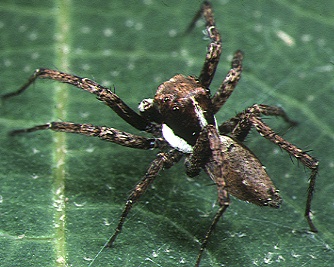
Do you think that spiders are mindless machines, driven by pure instinct to make their webs and then attack intruders? Well, it’s time you met Portia:

The formidable Portia! (photo credit: Akio Tanikawa)

In an emerald rainforest of northeastern Australia, a sunbeam pierces the canopy, touches broad green leaves on the way down, and beams onto a lichen-spotted rock surface. In the beam’s circle, the slow, careful motions of a brownish jumping spider are illuminated. The jumping spider belongs to the genus Portia and it is stalking its prey, a different species of spider sitting in its own web. Portia steps cautiously from the rock surface out onto the web and stops. Delicately, Portia begins to pluck the web with its palps and legs, making signals that mimic the struggles of a trapped insect. When the prey spider ignores Portia’s plucking, Portia varies the characteristics of the signals, generating a kaleidoscopic of what appears to be a random selection of signals. Eventually, in response to one of these signals, the prey spider swivels toward Portia. Immediately, Portia backtracks to that particular signal and repeats it again and again. There being no further response from the prey, Portia eventually reverts to broadcasting a kaleidoscope of signals. When the prey spider still moves no farther, Portia adopts another ploy.

Now Portia slowly and carefully stalks across the web toward the resident spider, intermit­tently making a variety of signals. From time to time, a soft breeze blows, ruffling the web. The ruffling creates background noise in the web, and Portia exploits these moments, during which the resident spider’s ability to detect an intruder is impaired, by stalking faster and farther during these periods than when the air is still. Nearing the resident spider, Portia makes a signal that elicits from the resident spider a sudden, rapid approach. However, the spider advances very aggressively, and Portia scrambles to the edge of the web, then turns around to look over the scene. Soon Portia moves away from the web and undertakes a lengthy detour, first going away from the prey and around a large projection on the rock surface, losing sight of the prey spider along the way.

About an hour later, Portia appears again, but now is positioned above the web on a small overhanging portion of the rock. After anchoring itself to the rock with a silk dragline, Portia next slowly lowers itself down through the air, not touching the web at all. Arriving level with the resident spider, Portia suddenly swings in, grabs hold of the unsuspecting spider, and sinks its poison-injecting fangs into the hapless victim.

I’m going to leave the light on tonight, too.

This rather dramatic account is from a chapter in The Cognitive Animal written by Stim Wilcox (Department of Biology, SUNY Binghamton) and Robert Jackson (Department of Zoology, University of Canterbury, New Zealand)1.

For those of you who like visuals, here’s a brief video of Portia:

Clearly, you don’t want to mess with Portia.

In their essay, Wilcox and Jackson note how tricky it is to discuss cognition in animals, with almost as many definitions of the term as people using them. Rather than trying to choose a single definition, they instead apply a framework designed to raise questions about six separate cognitive properties: reception (taking in information), attention (focusing on particular tasks), representation (maintaining a mental image or cognitive map), memory (retaining information), problem solving (deriving pathways to the achievement of goals), and communication language (influencing other individuals by manipulating symbols).

They then run through these properties point by point, in the process illustrating the cognitive abilities of Portia.

Reception: In this area, Wilcox and Jackson emphasize Portia’s amazing eyesight, which apparently is more acute in distinguishing spatial features than that of any known animal of comparable size and even rivals that of primates: “Portia can precisely locate and identify spiders from a distance of 30–40 body lengths away, monitor the spider’s orientation and behavior during the course of a predatory sequence, and in general quickly gain critical information for predatory decisions during complex interactions with a dangerous prey.” For an in-depth article on Portia eyesight, you can check out this piece2 by Jackson and Duane Harland (I love the title: “‘Eight-legged cats’ and how they see”).

Attention: Wilcox and Jackson highlight the extraordinary, prolonged attention paid by Portia as she hunts, especially as she singles out and zeros in on a prey spider in an extended bout of stalking that involves multiple tactics and focused flexibility over time. They note how she must be particularly attentive, given the extreme sensitivity of her prey’s own web to movement and weight, and describe how she manipulates the signals she sends across the target’s web (aggressive mimicry) and opportunistically takes advantage of wind-caused background noise and vibration to move more quickly across the web than she does when the air is still (smokescreen tactics).

Representation, Memory, Problem Solving: For these areas, Wilcox and Jackson point to her planned detours, which demonstrate problem-solving and suggest mental maps and prolonged memory. They observe that, by planning ahead and formulating a solution before executing her maneuver, Portia comes particularly close to what we might typically call “thinking.”

Communication: Finally, while acknowledging that Portia clearly does not have any sort of verbal language or use symbols with arbitrarily assigned meanings, Wilcox and Jackson describe the way in which Portia strings together series of signals as she engages in aggressive mimicry, noting how this involves a complex, flexible and dynamic sequence of interactions between her and her target. As they put it, “Studying Portia’s signal-making strategy from this perspective may bring us closer than we initially expected to something like the cognitive implications of verbal language.”

I don’t have much to add here.  Hail Portia!

_____

1Wilcox, S. and Jackson, R. (2002). Jumping Spider Tricksters: Deceit, Predation, and Cognition. In M. Bekoff, C. Allen & G. Burghardt (Eds.). The cognitive animal: Empirical and theoretical perspectives on animal cognition. pp. 27–33. Cambridge, MA: MIT Press.

2Harland, D. and Jackson, R. (2000). ‘Eight-legged cats’ and how they see – a review of recent research on jumping spiders (Araneae: Salticidae). Cimbebasia 16: 231–240.

Perchance to Dream…

Do you ever wake up and feel like you’ve spent the whole night replaying a tape of the stresses of the day before? Well, at least you didn’t spend you didn’t spend that day running through mazes. Oh, you did? In that case, you might want to grab a chunk of cheese and sit down for some comfort eating with a friendly rat who can commiserate with you.

Matthew Wilson, an MIT professor of neuroscience, has been studying rats as they work and sleep for years, and has found out that they, too, replay their daily activities as they sleep.

Rat dreaming of running in circles... (MIT image)

In groundbreaking research published in 2001 in the journal Neuron1, Wilson and his colleague Kenway Louie were given an unprecedented glimpse into the dreams of rats by studying rats’ brain activity while they ran through mazes and then later on while they slept. (To clarify, the rats – not the researchers – were the ones who ran through the mazes. Sorry to disappoint you.)

To investigate what happens in the brain during rapid eye movement (REM) sleep, the type of sleep associated with dreaming, the researchers recorded the activity of neurons in the hippocampus (the area of the brain known to be critical to the formation and encoding memories) of four rats, both while the rats ran around circular mazes and then afterwards during REM sleep.

What they found out was striking.

As the rats ran through the mazes, the neurons fired in distinctive patterns that were dependent on where the rats were within the mazes. Then, when the researchers took comparable measurements of the rats’ brain activity later on during the rats’ REM sleep after a hard day of maze running, they found that the rats played back exactly the same neuron activity patterns as had occurred when they originally performed their tasks. More specifically, in 20 of the 45 REM sleep sessions that the researchers measured, they could detect prolonged periods (tens of seconds to several minutes in length) during which the same spatially-correlated hippocampal neurons fired in the same order, with the REM patterns essentially repeating the daytime patterns at approximately the same speed.

During REM sleep, we could literally see these rat brains relive minutes of their previous experience. It was like they were watching a movie of what they had just done.

In his terrific blog The Frontal Cortex2, Jonah Lehrer noted that Wilson was astonished by these results, quoting him as saying, “During REM sleep, we could literally see these rat brains relive minutes of their previous experience. It was like they were watching a movie of what they had just done.”

Wow!

More recently, Wilson and Daoyun Ji, a postdoctoral associate, extended these findings in research published in Nature NeuroScience3. In this newer study, the researchers focused on brain activity during slow-wave sleep (SWS), often referred to as deep sleep, a stage of sleep not characterized by dreaming but thought to be important to long-term memory formation. The researchers wanted to learn more about how the brain consolidates long-term memories during SWS, and whether it replays visual images from daytime experiences as part of the process. To test these matters, the researchers focused on the interaction between two separate areas of the brain: the hippocampus and the visual cortex, which is responsible for processing visual information.

As before, the researchers measured brain activity in four (presumably different!) rats as the rats ran in alternating directions through figure-eight shaped mazes, and then repeated the same measurements while the rats slept both before and after their maze-running sessions. This time, though, the researchers measured activity in both the visual cortex and the hippocampus.

Once again, the findings are notable.

As the rats ran through the mazes, neurons in both brain areas, the visual cortex and the hippocampus, acted similarly, firing in distinctive patterns that were dependent on where the rats were within the mazes. During subsequent SWS periods, the rats replayed these same firing patterns and sequences in both brain areas, much as they had done in the earlier experiment on hippocampus activity during REM sleep. Moreover, at all times, during maze-running activity and later on as the rats replayed their memories during periods of SWS, the brain activity in the visual cortex and the hippocampus were highly correlated.

By linking the visual cortex to this coordinated memory replay process, the researchers were thus able to show that not only were the rats replaying their daytime memories during sleep, but that they were reliving the same sensory experiences, the exact visual images that they had seen during their maze running!

Do these studies provide insight into the neurobiology of sleep, dreams and memory in humans and other animals? All mammals have similar brain structures that seem to operate similarly, and the research was designed to help us gain a better understanding of our own memory formation behavior, but it never hurts to ask these sorts of questions.

Assuming that these findings do have relevance for other species, then it may well be that when your Golden Retriever paddles his feet, rolls his eyes and twitches during sleep, he is indeed reliving that epic battle he recently had with an evil, slobber-covered tennis ball.

_____

1Louie, K., & Wilson, M. (2001). Temporally Structured Replay of Awake Hippocampal Ensemble Activity during Rapid Eye Movement Sleep Neuron, 29 (1), 145-156 DOI: 10.1016/S0896-6273(01)00186-6.

2The Frontal Cortex, “The Neuroscience of Dreaming,” December 19, 2006.

3Ji D, & Wilson MA (2007). Coordinated memory replay in the visual cortex and hippocampus during sleep. Nature neuroscience, 10 (1), 100-7 PMID: 17173043.

Chimps Don’t Ape Humans – Develop Tools Independently

The more we learn about the capabilities of animals, the less it seems we can claim as uniquely our own. Now it appears that we may even have to share our treasured Flintstones cartoons, as we have learned that we aren’t the only species to have enjoyed an ancient Stone Age history.

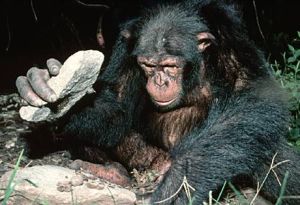
Chimp eating nuts and thinking about upcoming Chimpanzee Iron Age

A few years ago, archeologists led by Julio Mercader of the University of Calgary discovered that chimpanzees in West Africa were using stone tools to crack nuts thousands of years ago, before humans had begun engaging in agriculture in the area. The research team, exploring sites located in the Ivory Coast’s Taï National Park, found stone “hammers” that were 4,300 years old and that had all the hallmarks of chimpanzee tools, rather than human ones. Science 2.01 described the tool findings as follows:

The stone hammers that the team discovered, essentially irregularly shaped rocks about the size of cantaloupes – with distinctive patterns of wear – were used to crack the shells of nuts. The research demonstrates conclusively that the artifacts couldn’t have been the result of natural erosion or used by humans. The stones are too large for humans to use easily and they also have the starch residue from several nuts known to be staples in the chimpanzee diet, but not the human diet.

The research team elaborated further in the paper it published in the Proceedings of the National Academy of Sciences2:

This discovery speaks of true prehistoric great ape behavior that predates the onset of agriculture in this part of Africa. The chimpanzee assemblages are contemporaneous with the local Later Stone Age; thus, they represent a parallel “Chimpanzee Stone Age”….

The systematic archaeological study of prehistoric chimpanzee cultures suggests that the “Chimpanzee Stone Age” started at least 4,300 years ago, that nut-cracking behavior in the Taï forest has been transmitted over the course of >200 generations, and that chimpanzee material culture has a long prehistory whose deep roots are only beginning to be uncovered. These findings substantiate the contribution of rainforest archaeology to human evolutionary studies in areas other than the classical savanna-woodlands of East and Southern Africa and add support to fossil discoveries from these other regions indicative of an ancient chimpanzee past.

I love it: the Chimpanzee Stone Age! Also, it’s amazing that this tool use tradition has been passed down over 200 generations, and is still in use today.  Here’s a nice BBC video clip that shows today’s generation of chimps using the same sort of tools to expertly crack open nuts.

Archeology3, the official publication of the Archeological Institute of America, haled Mercader’s research as one of the “Top 10 Discoveries” of 2007, noting that:

The discovery shows that stone tool use is not a behavior that chimpanzees learned recently by watching the farmers who live in the area, as some skeptics believe. Mercader thinks that humans and chimpanzees may have inherited stone tool use from an ancestral species of ape that lived as long as 14 million years ago.

At this point, Mercader’s views on the origins of tool use are still open to debate and further research. The fact, though, that there can even be such a discussion about tool use, a capability once thought to so uniquely identify the human species, illuminates how much thinking we have had to do recently about the common characteristics we share with other animals. Interesting stuff.

We’ll keep you posted as the story unfolds, and let you know as soon as they discover the first prehistoric chimpanzee satellite TV dishes and computer operating systems.

____

1Science 2.0, “Hammer Using Chimps Make Us Wonder Where They Learned It,” February 13, 2007.

2Mercader, J., Barton, H., Gillespie, J., Harris, J., Kuhn, S., Tyler, R., & Boesch, C. (2007). 4,300-Year-old chimpanzee sites and the origins of percussive stone technology Proceedings of the National Academy of Sciences, 104 (9), 3043-3048 DOI: 10.1073/pnas.0607909104.

3Archeology, “Ancient Chimpanzee Tool Use,” Volume 61, Number 1, January/February 2008.

Lizards Shed Reputation as Slow Learners

A new study has shown that anoles (Anolis evermanni), a tropical tree-dwelling lizard found in Puerto Rico, are surprisingly good problem-solvers who have cognitive abilities that rival those of birds known for their highly flexible behaviors.

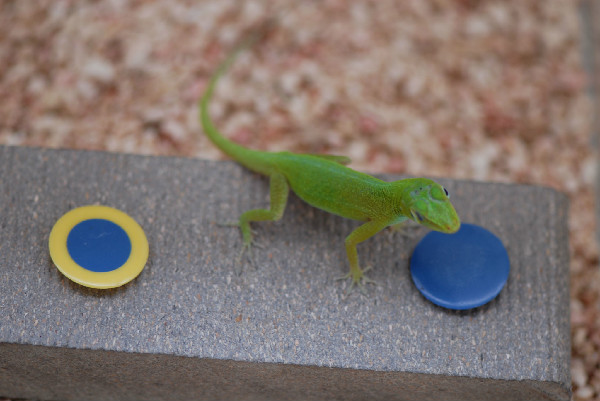
Manual Leal, a professor at Duke University, led a study in which six anoles were given a series of challenges designed to test their behavior flexibility, cognitive abilities and memory.  In these experiments, the lizards were presented with a platform containing two wells, one containing a food reward and the other empty. The wells were covered with tight-fitting opaque discs of differing colors and patterns, and the lizards were given 15 minutes to obtain the reward.

Anole Lizard: will you quit messing with my dinner if I drop that whole GEICO thing? (photo credit: Manuel Leal, Duke University)

According to Leal’s research paper, which was published online on July 13, 2011, in the Journal of the Royal Society: Biology Letters1, two-thirds of the lizards were able to solve the puzzle and find the food reward, a “completely unexpected” result since:

The correct response required major changes to what has previously been considered highly stereotyped foraging behavior, which consists of scanning the environment for moving prey items and striking them from above. In our experiment, motion cues were absent and striking from above was ineffective at dislodging the disc. Lizards used multiple strategies to remove the disc. The first was a modified strike, laterally biting the disc and lifting it away from the reward. The second strategy required the lizard to advance on the disc with its head held against the substrate, using its snout as a lever to push the disc out of the way…. This strategy is not a natural foraging behaviour that has at least been witnessed, and may demonstrate an entirely novel solution, which is one of the main criteria used to recognize behavioural flexibility.

Here’s a video from the New Scientist2 that shows one of the lizards in action:

When the tests were repeated with the disc colors associated with the reward reversed, two of the lizards continued to flip the original disc in an unsuccessful search for the reward, but the remaining two, nicknamed Plato and Socrates by Leal’s team, figured out that the discs had been changed and solved the problem again, reversing their previously learned color associations. (This sort of test is known as a “reversal learning” test.) Although there haven’t been many studies of cognition in reptiles, Plato and Socrates’ success appears to be particularly notable since prior evidence had suggested that reptiles do better at solving puzzles involving location change than ones involving altered visual cues.

Finally, Leal and his team were surprised to discover that the anoles were able to solve the challenges presented in these experiments in only one-third the attempts needed by birds given similar tasks in comparable experiments. While the researchers did not draw any definitive conclusions about this, they did note that, due to the slower metabolisms of the cold-blooded anoles, they could be tested only one time a day, and that the tempo at which the tests were performed might have some bearing on the number of attempts required.

Perhaps because people don’t expect displays of cognitive flexibility in reptiles, Leal’s research has generated a fair bit of media attention, including articles in The Economist3, ScienceNOW4MSNBC5, BBC Nature News6 and LiveScience7. Enjoy!

Now, after a long week, I think I’m going to go out and lie on a warm rock and then get some dinner.

_____

1Leal M, & Powell BJ (2011). Behavioural flexibility and problem-solving in a tropical lizard. Biology letters PMID: 21752816.

2New Scientist, “Smart lizard solves a problem it’s never seen before,” July 13, 2011.

3The Economist, “Cold Blooded Cunning,” July 14, 2011.

4ScienceNOW, “Tropical Lizards Get Brainy,” July 12, 2011.

5MSNBC, “Don’t underestimate the brainpower of a lizard,” July 13, 2011.

6BBC Nature News, “Lizard has problem solving skills,” July 13, 2011.

7LiveScience, “Lizards Are Wizards At Solving Food Puzzle,” July 12, 2011.

Did You Hear the One About the Traveling Salesman and the Bumblebee?

Last fall, bumblebees enjoyed their moment in the sun, as a series of headlines proclaimed that they were mathematical geniuses:

“Tiny Bee Brains Beat Computers at Complex Math Problems”
Fox News1

“Bees Solve Complex Problems Faster Than Supercomputers”
The Daily Galaxy2

“Bees’ brains more powerful than computers”
Natural News3

Bumblebee solving quadratic equations (photo: U.S. Fish & Wildlife Service)

What was all the fanfare about? Are we about to enter a new era in which paparazzi stalk bees rather than reality TV stars? (We won’t complain if this is the case.) PhysOrg.com4 summarized the context as follows:

Scientists at Queen Mary, University of London and Royal Holloway, University of London have discovered that bees learn to fly the shortest possible route between flowers even if they discover the flowers in a different order. Bees are effectively solving the ‘Travelling Salesman Problem’, and these are the first animals found to do this.

The Travelling Salesman must find the shortest route that allows him to visit all locations on his route. Computers solve it by comparing the length of all possible routes and choosing the shortest. However, bees solve it without computer assistance using a brain the size of grass seed.

Professor Lars Chittka from Queen Mary’s School of Biological and Chemical Sciences said: “In nature, bees have to link hundreds of flowers in a way that minimises travel distance, and then reliably find their way home – not a trivial feat if you have a brain the size of a pinhead! Indeed such travelling salesmen problems keep supercomputers busy for days. Studying how bee brains solve such challenging tasks might allow us to identify the minimal neural circuitry required for complex problem solving.”

In actuality, the bumblebees’ achievements, while impressive, were a bit more modest than publicized.

Bumblebees (Bombus terrestris) do indeed visit flowers in predictable sequences called “traplines,” and the UK research team wanted to learn more about whether these sequences simply reflect the order in which flowers are discovered or whether they result from more complex navigational strategies enabling bees to optimize their foraging routes. Accordingly, the researchers set up an array consisting of four (not hundreds of) artificial flowers, which they introduced to bumblebees in sequence.

The researchers observed that over time the bees tended to stop visiting the artificial flowers in their discovery order and, through a process of trial and error, began reorganizing their preferred routes to minimize total flight distance. In general, the bumblebees adopted a primary route and two or three less frequently used secondary routes, with the primary route typically being the shortest distance route. The bees also did a (reasonably) good job of remembering the most efficient route after an overnight break.

Even though the bees gravitated toward the shortest route, they did continue to experiment with novel routes, a behavior that – the researchers hypothesized – might allow them to fine tune their behavior as new sources of food were found over time.

Now, in their research paper5, the UK team did note that the bees’ search to find the shortest path among flowers is analogous to the traveling salesman problem, and did state that “Our findings suggest that traplining animals can find (or approach) optimal solutions to dynamic traveling salesman problems (variations of the classic problem where availability of sites changes over time) simply by adjusting their routes by trial and error in response to environmental changes.” These observations are, however, just a tad less dramatic than the “triumph over supercomputers” celebrated in the popular media reports on the research.

So what are the morals of this story?

  • While all too often animals are derided as “dumb beasts” and the like, sometimes we go in the opposite direction, overstating what animals are capable of accomplishing in order to create a sensation.
  • Even without the hyperbole, bumblebee route optimization behavior is noteworthy. There are often multiple ways to solve difficult problems, and sometimes the efficient approaches developed by animals who do not boast large brains can be surprisingly effective.
  • Insects, both in collective groups and as individuals, seem to be particularly adept at finding rational solutions that have an almost mathematical feel to them.
  • Bumblebees can sure generate a lot of buzz.

_____

1Fox News, “Tiny Bee Brains Beat Computers at Complex Math Problems,” October 25, 2010.

2The Daily Galaxy, “Bees Solve Complex Problems Faster Than Supercomputers,” October 26, 2010.

3Natural News, “Bees’ brains more powerful than computers,” October 27, 2010.

4PhysOrg.com, “Complex mathematical problem solved by bees,” October 25, 2010.

5Lihoreau M, Chittka L, & Raine NE (2010). Travel optimization by foraging bumblebees through readjustments of traplines after discovery of new feeding locations. The American naturalist, 176 (6), 744-57 PMID: 20973670.